Loading…

Venue: Turquoise clear filter
arrow_back View All Dates
Tuesday, September 22
 

1:30pm MDT

Starting Farms with Limited Resources: What Actually Works and How to Support It
Tuesday September 22, 2026 1:30pm - 3:00pm MDT
This highly interactive workshop shares real-world lessons from working closely with immigrant, limited-resources, and Spanish-speaking farmers in New York State over the past four years. It focuses on how farmers actually start and grow farm businesses when they have limited access to land, capital, and formal support systems. While traditional approaches emphasize business planning, financing, and readiness, this session explores what happens in practice. Farmers often begin with experience, relationships, informal systems, and small, strategic steps—and build from there. Participants will be introduced to a practical framework that reflects these realities and can be used to better support beginning farmers. Through case-based group activities, peer discussion, and guided reflection, attendees will analyze real farmer scenarios and explore how to apply these insights in their own work. The session will be co-facilitated by leadership from the Cornell Small Farms Program, bringing both field-based experience and program design perspectives. This is not a lecture. It is a hands-on session designed to help professionals rethink how they assess, support, and design programs for farmers—especially those navigating structural barriers. Learning Objectives: By the end of this session, participants will be able to: -Recognize alternative pathways to farm start-up beyond traditional capital-based models -Identify how farmers use experiential knowledge, social networks, and informal systems to initiate and grow their operations -Apply a practical framework to assess farmer readiness and development trajectories -Identify strategies to better support farmers with limited resources through programs, advising, and technical assistance -Reflect on how to align their own work with the realities and strengths of the farmers they serve
Speakers
avatar for Anu Rangarajan

Anu Rangarajan

Director/ Sr. Extension Associate, Cornell Small Farms Program
Anu Rangarajan is the Director of the Cornell Small Farms Program and a national leader in farm viability, agricultural education, and program development. She has extensive experience supporting beginning farmers and leading initiatives that integrate research, extension, and policy... Read More →
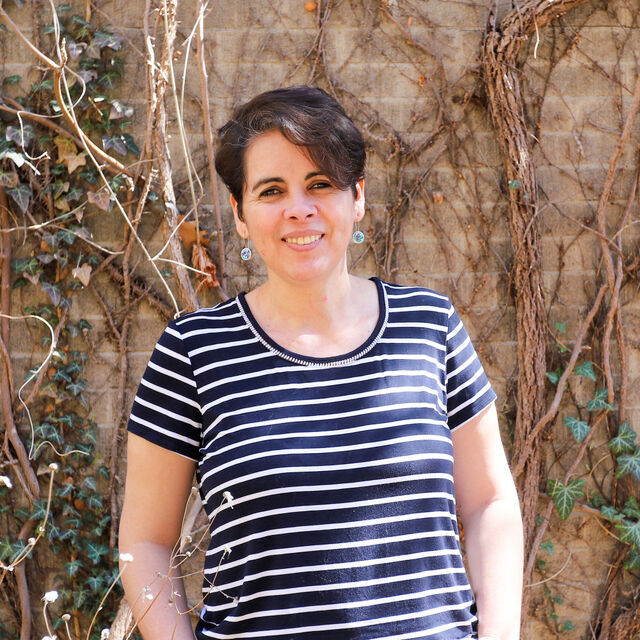
avatar for Mildred Alvarado

Mildred Alvarado

Director, Equitable Farm Futures Initiative / Extension Associate, Cornell Small Farms Program
Mildred Alvarado has over 20 years of experience in agricultural development, working closely with immigrant, limited-resource and Spanish-speaking farmers in the U.S. and Latin America. Her work focuses on farm business development, land access, and equitable agricultural systems... Read More →
Tuesday September 22, 2026 1:30pm - 3:00pm MDT
Turquoise

3:30pm MDT

Making Holistic Management Work: Adapting Whole Farm Planning Tools for Real-World Farm Advising
Tuesday September 22, 2026 3:30pm - 5:00pm MDT
Whole Farm Planning, rooted in the Holistic Management framework, has for decades been valued for its comprehensive approach to triple-bottom-line farm management and decision-making. Yet many practitioners are seeking more practical, adaptable ways to integrate these tools into day-to-day advising and existing program models. Designed for farm service providers with any level of prior exposure to Holistic Management, this workshop focuses on practical strategies for integrating Holistic Management and Whole Farm Planning tools into real-world farm advising. Participants will explore ways to use these tools to help producers assess challenges in their specific farm context and identify clear priorities for action, while also sharing approaches that have worked in their own practice. Co-facilitated by HMI Education Director Ann Adams and independent advisor Stevie Schafenacker, this session emphasizes practical application rather than theory, focusing on adaptable use of core Whole Farm Planning tools such as Holistic Goals, Farm assessments such as Weak Link and Root Cause Analysis, and Holistic Decision Testing. Drawing on real farm client experience, Stevie Schafenacker, who became an HMI Whole Farm Planning trainer in 2021, will share how these tools have been simplified, modified, and integrated into her work and invite a peer to peer share and discussion on ways these tools have and could be integrated into existing work. Through case-based scenarios and peer exchange, participants will gain practical ideas for making Holistic Management more flexible, accessible, and effective in day-to-day work. This is a participatory workshop, participants will work do a sort of mini "reading the farm", working to identify the tools that may work in these scenarios, then a follow up discussion of the outcomes of that work together along with sharing other ways they may have found these tools to be useful in their work. Part 1: Framing & Provider Context (10 min) Brief introduction to key Holistic Management principles and practices we will be focusing on today and why. Survey audience to get a sense of knowledge of and experience with Holistic Management/Whole Farm Planning. Part 2: Applied Scenario – Getting the Gears Working (25 min) Participants work in small groups with a realistic farm scenario. Prompted analysis: Where is the farm aligned or in tension with its holistic goal? What is the weakest link in their key enterprises? What is the likely root cause? What is the farmer actually stuck on? What is most impacting their progress toward their holistic goal? What tools are most useful in this moment? Which WFP tools would you use? Which would you skip or modify? What non-HMI tools would complement or replace them? Groups generate: A short analysis Brainstorm 1-3 next steps/solutions Part 3: Group Debrief & Comparative Analysis (10 min) Report-outs from groups Compare approaches across the room: Where did analyses differ? Why? What tools were used most often? Least? What did you learn from this exercise? Part 4: Integration, Adaptation & Real-World Use (20 min) Stevie Schafenacker shares applied adaptations from her work: Using Holistic Decision Testing in short-on-time advising contexts Integrating WFP tools into: S.W.O.T. analysis Business planning processes Early-stage farmer conversations Adapting tools for: Diverse cultural and operational contexts What stuck, what didn't, and why Part 5: Critical Reflection & Peer Exchange (10 min) Open discussion: What still feels useful in your work? What feels unrealistic or unnecessary? What are next action steps for you as a service provider? How have you already adapted these tools?
Speakers
avatar for Ann Adams

Ann Adams

Education Director, Holistic Management International
Ann has worked in the nonprofit world for almost 25 years, creating and directing national programs, collaborating with over 100 non-profit and government entities to create positive impact among producers and land stewards seeking to build & maintain sustainable farms, ranches and... Read More →
avatar for Stevie Schafenacker

Stevie Schafenacker

Principal, Independent Advisor
Stevie Schafenacker is an independent farm advisor who has worked with New England farmers for the past four years, providing business planning, financial literacy support, and strategic decision-making assistance to more than 60 individual farm clients. Prior to that, she coordinated... Read More →
Tuesday September 22, 2026 3:30pm - 5:00pm MDT
Turquoise
 
National Farm Viability Conference
From $475.00
Share Modal

Share this link via

Or copy link

Filter sessions
Apply filters to sessions.
Filtered by Date -